Low VDD detector

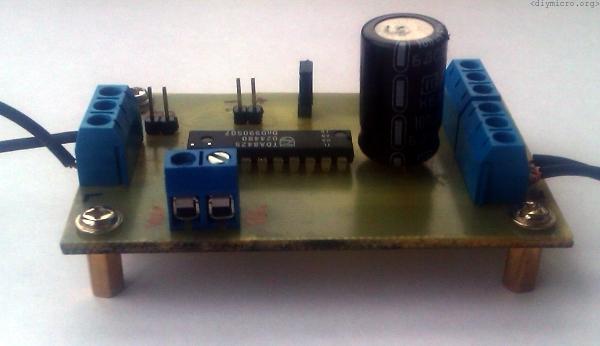
I have added a small additional pcb for my diy amp project, which is dedicated to detect the drop of VDD voltage level and saving the data to EEPROM at reaching of the certain threshold. All how I described here, I used the built-in comparator from PIC168f877a.

additional pcb on top of main diy amp pcb

It is a pity that I have not added this feature to the main pcb, so now all solutions looks unaesthetic.

Continue reading
Pic Lab, PIC16, Experiment #23: Saving data to EEPROM before the power off event

I guess, that sooner or later any developer has a question in his head – how do I save the data if the supply shut down?

There are some solutions listed:

  • The reserve battery (the RTC clock, the motherboard);
  • The constant saving to the memory – not nice, the EEPROM has limited cycles;
  • Saving to the external memory – the complication of the PCB and the code;
  • Saving when the lowering of the vdd level is detected – that what I need!
The voltage detector
Continue reading

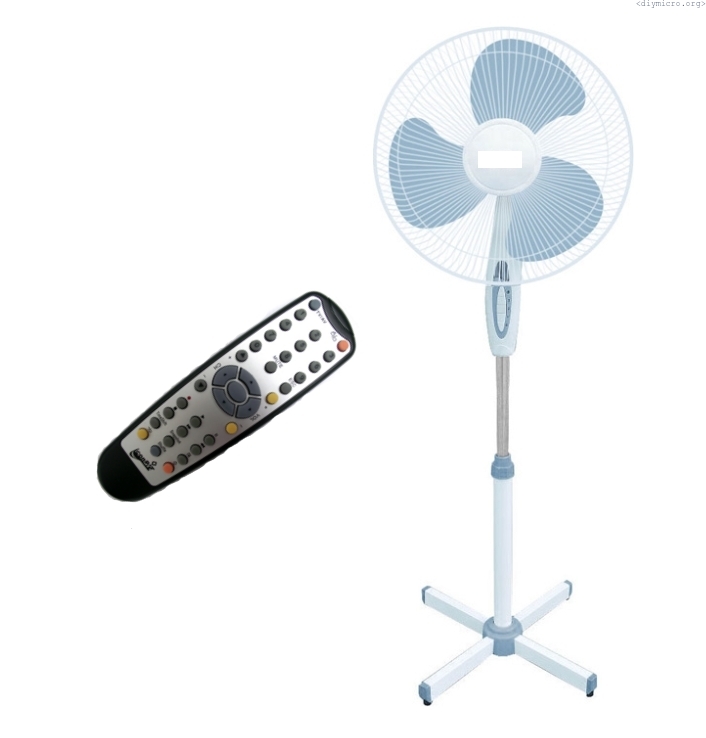
Remote control for the fan

It was a hot, really hot, really very hot summer in 2012 in place where I used to live. I bought some cheap fan, though it was quite powerful, but there were two major drawbacks for me:

  1. No remote control
  2. No timer for scheduling switching off, let say at night. And I did not want it to make noise a whole night.
a fan with the remote control
Continue reading

Voltage supply 12V, 5V for the audio-amplifier

Now it is time to provide an appropriate voltage supply for the audio-amplifier. Since I care about the noise and the amplifier is dedicated to work from the outlet only, I decided to move in the linear stabilization direction.

What do I want?

  1. The +12В voltage for coolers and relay, which in charge of the stand by mode.
  2. The +5В voltage for everything else, I have a lot of “everything else”, so I need to project a lot of different connectors.
  3. Powerful output capable to provide enough of the power for everything I have.
  4. To not forget to put all powerful transistor underneath of the radiators and coolers.
  5. Add outputs for indications and switches.
Continue reading

Menu for the audio amplifier

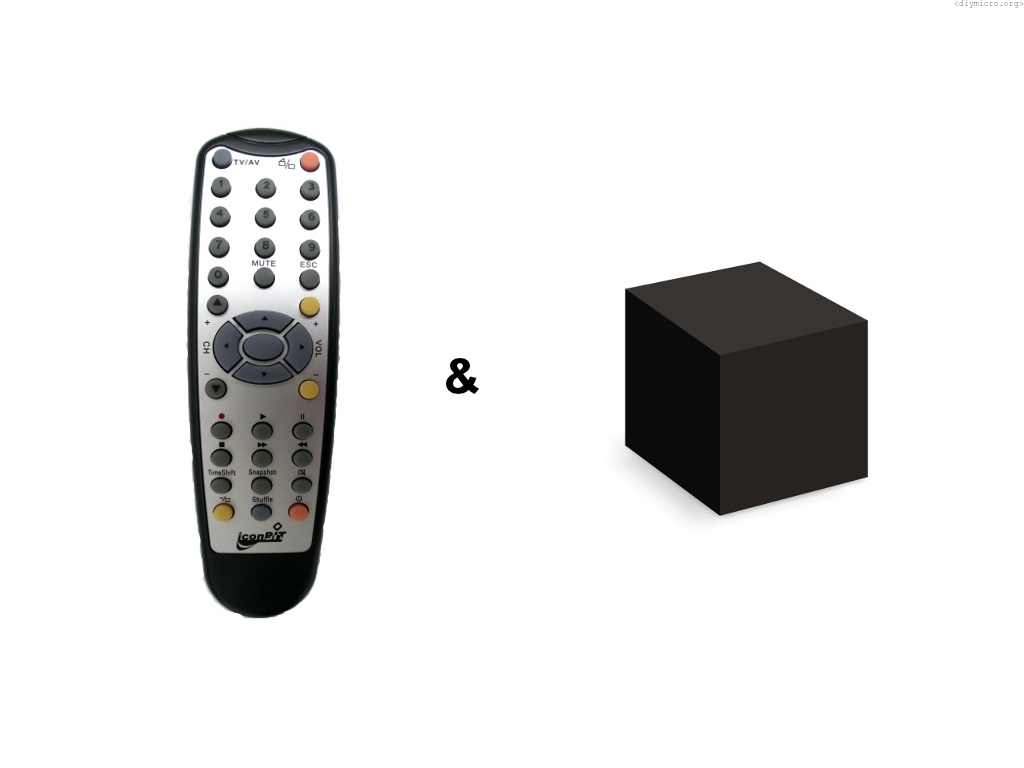
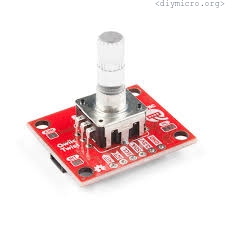
Describing my struggles with a menu for my home small project – an audio amplifier. The main challenge is that we have just 3 buttons (the encoder), and two of them are actually not buttons but rotation directions.

First of all, I drafted a block diagram with the logic of the operation (right-left is a rotation direction, down – the button is pressed).

Continue reading