A short article with review of different emergency reset methods available within the pic microcontroller. Here will be some theory and some practice of course.

A short article with review of different emergency reset methods available within the pic microcontroller. Here will be some theory and some practice of course.
The code of the DIY amplifier has grown much, it is harder and harder to debug it and keep in the order. So first of all I have added the audioprocessor part to the existing code, not much to discuss it is already been considered. Only one thing – I added the display LCD functions instead of the uart menu. I still want to have the USB connectivity so I can take control over amp from the PC. The plan is to use the FT232 with the virtual com port. Of coarse, it would be a nicer way to use PIC18 with USB on-board, but at the moment of time I did not have the experience with it, and now, when I actually have it – I would still go the virtual com path, usb has too much of the hustle to implement and handle nicely, besides it is not free for use as usual usb.
Continue readingAnother movement towards finishing my “pet” project – an audio amplifier with remote control.
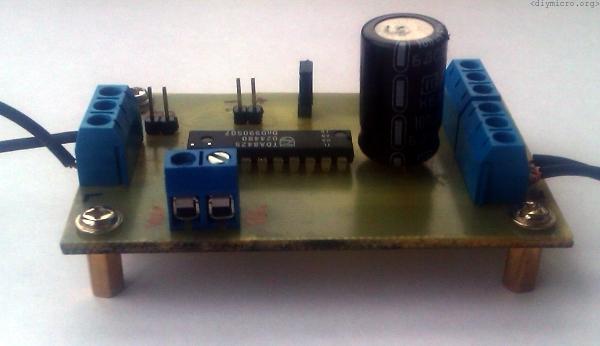
Below is the procedure of a PWM veriloga controller created in Verilog-A language (behavioral description language)
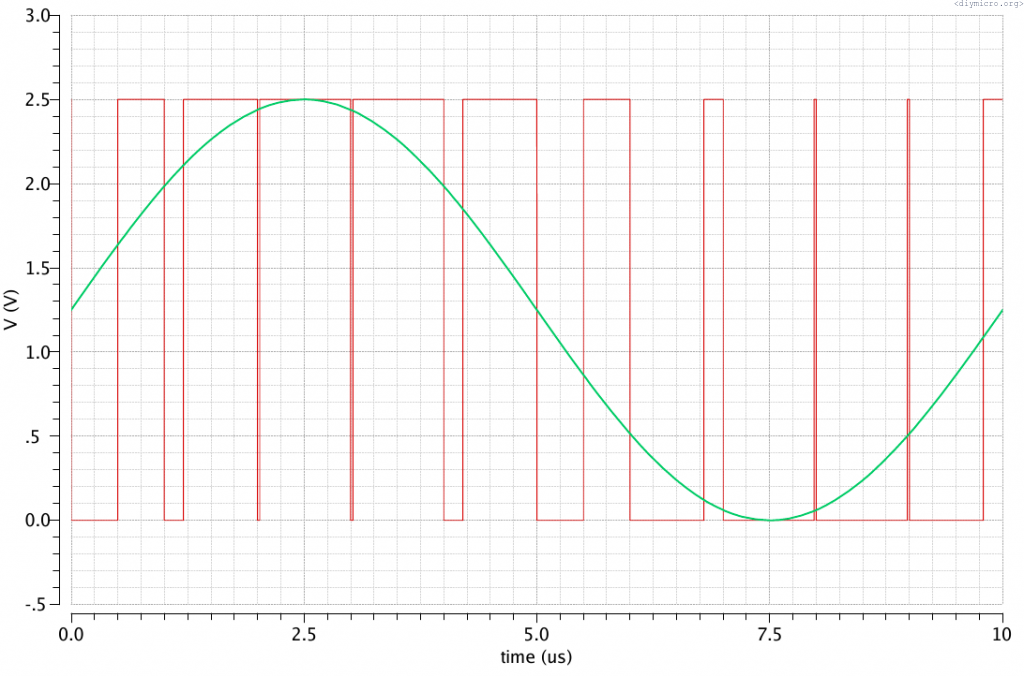
So, I need a PWM controller which is basically the block the duty cycle of which will vary in dependence of the control pin voltage. The previous picture shows the output of the controller (red) with input applied control voltage (green). The frequency is constant.
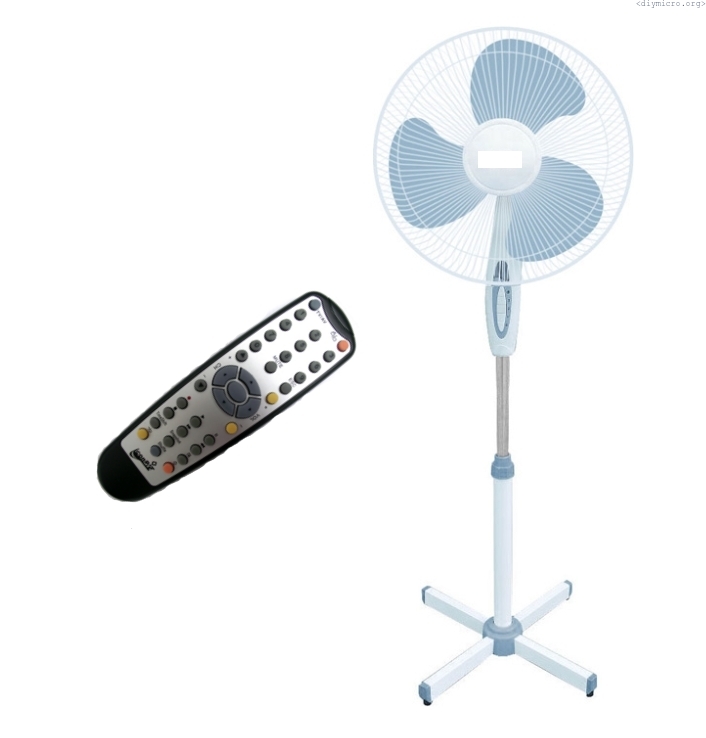
Continue readingIt was a hot, really hot, really very hot summer in 2012 in place where I used to live. I bought some cheap fan, though it was quite powerful, but there were two major drawbacks for me:
The original post has been written in 2012 year.
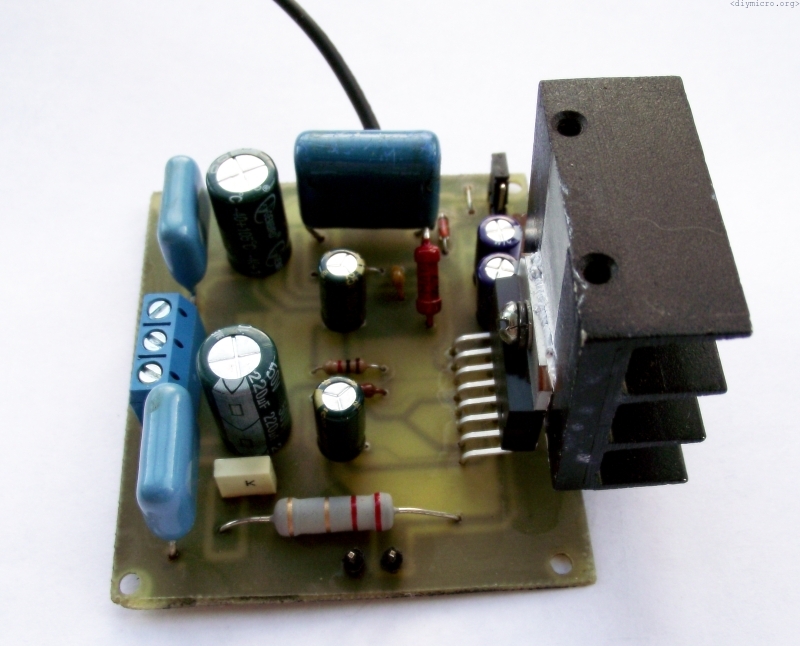
The time has came to build the PCB for the actual DIY audio amplifier. I decided to go with TDA7294.
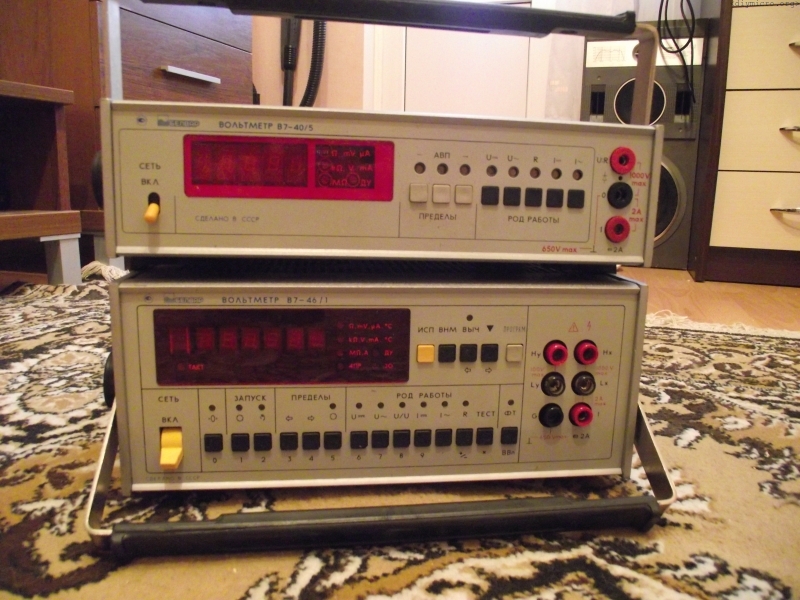
During exploring of my stashes I stumbled upon those two bad guys:
Now it is time to provide an appropriate voltage supply for the audio-amplifier. Since I care about the noise and the amplifier is dedicated to work from the outlet only, I decided to move in the linear stabilization direction.
What do I want?
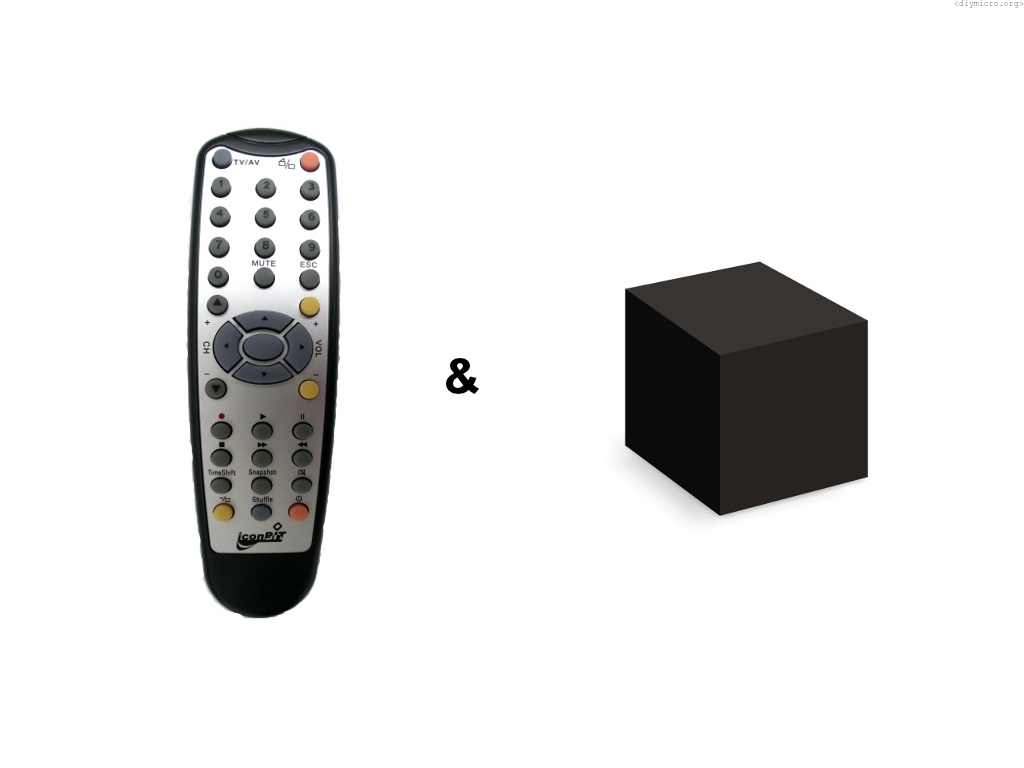
In the last article I reviewed the remote control based on the RC5 protocol, here I’m going to describe how I added it to my audio-amplifier.
Have to say, unlike usually, I did not meet any issues with this, so just describing the process.
Continue readingIt is time to put my hands on the IR protocol.
The goal: To study IR protocol and gain the skills to work with it
Tools: a microcontroller PIC16f877A, an IR receiver TSOP1736(1738), devboard
